
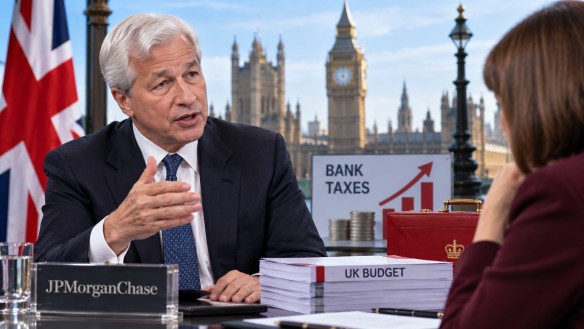
In an upcoming meeting with UK Chancellor John Healey, JPMorgan Chase CEO Jamie Dimon is anticipated to express concerns over potential tax increases on banks, highlighting the risks such measures could pose to investment and employment within the financial sector. This discussion precedes the UK government’s October budget announcement, where there is speculation about the introduction of a windfall tax on banks and oil companies. Currently, UK banks are subjected to a 28% corporation tax rate, which is above the standard 25%, along with an additional banking surcharge based on their UK balance sheets.
Dimon has been vocal in the past about his opposition to further tax hikes, cautioning that such actions could have detrimental impacts on the financial industry. In a phone conversation with Healey in August, Dimon reportedly emphasized that increased taxes might lead to job reductions, drawing parallels with the situation in New York where he attributes a decline in finance-sector roles partially to the city’s tax policies. This meeting underscores ongoing efforts by Dimon and other banking executives who have previously lobbied against higher taxes before the UK’s budget announcements.
JPMorgan has demonstrated its commitment to investing in London, with plans to construct a £3 billion headquarters tower in Canary Wharf. However, Dimon has warned that such projects could be reevaluated if the UK’s fiscal policies are perceived as unfavorable to banks. These concerns are emerging at a time when groups like the Trades Union Congress and Positive Money are advocating for increased bank taxes, arguing that additional revenues could alleviate rising household expenses.
The debate over taxing UK banks is further fueled by the substantial profits generated by the nation’s top lenders—HSBC, NatWest, Barclays, and Lloyds Banking Group—which have amassed approximately £200 billion in pre-tax profits over the past five years. According to data from UK Finance, British banks collectively paid an estimated £43.3 billion in taxes for the financial year ending in March 2025. This figure highlights the ongoing discussion about the financial sector’s contribution to public revenue and whether it should be increased.