
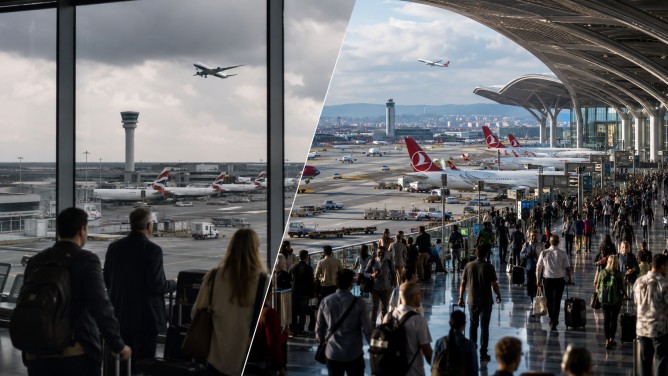
In a significant shift in European aviation rankings, Heathrow Airport has ceded its position as the continent’s busiest hub to Istanbul Airport. This change comes as Istanbul reported handling 8.15 million travelers in July, surpassing Heathrow’s count of 7.86 million. Compared to the previous year, Heathrow saw a 1.5% decline in passenger numbers, while Istanbul experienced a 2.3% increase. The downturn at Heathrow has been partly blamed on disruptions related to the ongoing conflict in the Middle East.
The latest figures have reignited discussions about the necessity of expanding Heathrow’s capacity. The airport currently functions with two runways that are nearly maxed out, and there is growing pressure on the UK government to greenlight a proposed third runway. The expansion, estimated to cost £33 billion, could potentially elevate Heathrow’s annual capacity to approximately 150 million passengers, boosting the UK’s connectivity, trade, and tourism sectors.
Istanbul Airport, which began operations in 2018, benefits from a larger site and round-the-clock operations. It currently has three runways and is set to introduce a fourth by the end of 2026, further enhancing its capacity and competitive edge in the region. This operational model contrasts with Heathrow’s current limitations and highlights the strategic advantages Istanbul is leveraging to capture a more significant share of passenger traffic.
While Heathrow grapples with these challenges, other major UK airports are experiencing record passenger numbers. London Stansted and Manchester airports reported their busiest July on record, with 3.1 million and 3.4 million passengers, respectively. These figures underscore the growing demand for air travel within the UK, even as Heathrow navigates its current capacity constraints.