
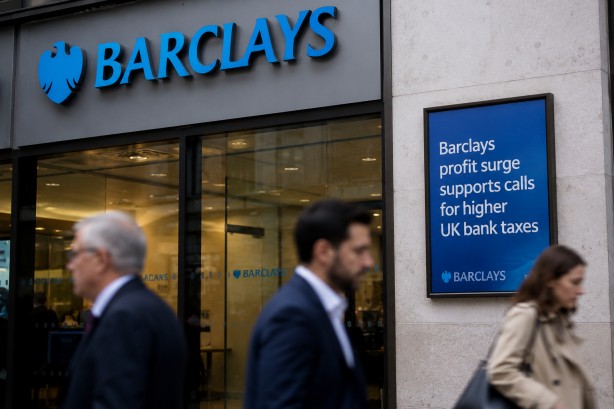
Barclays has announced robust financial gains, which has reignited discussions about the potential for increased taxation on large banks by the UK government. The financial institution revealed a significant 31% increase in its second-quarter pre-tax profits, reaching £3.3 billion. This surge contributed to a first-half profit of £6.1 billion, marking a 17% rise compared to the previous year.
In conjunction with these financial results, Barclays disclosed a near 30% increase in its bonus pool for the first half of the year, bringing it to £1.3 billion. Additionally, the bank has unveiled plans for £1 billion in share buybacks along with £800 million allocated for shareholder dividends.
Following these announcements, the Trades Union Congress (TUC) has urged the government, led by Prime Minister Andy Burnham, to consider raising taxes on banks. The TUC argues that the significant profits reported by lenders demonstrate their capacity to contribute more substantially to addressing the ongoing cost-of-living crisis.
Barclays, however, defended its financial strategies and contributions, highlighting that UK banks are already subject to higher tax rates than many of their global counterparts. Bank executives emphasized that the increase in the bonus pool is a reflection of the bank’s improved earnings and reiterated the importance of a robust banking sector in fostering lending, investment, and economic growth.