
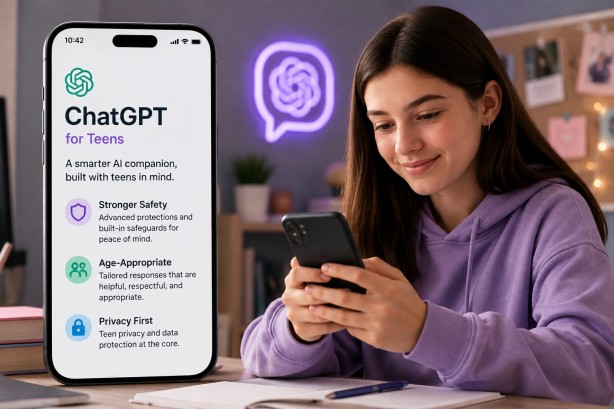
OpenAI has unveiled a tailored version of its ChatGPT tool aimed specifically at teenagers between 13 and 17 years old, incorporating enhanced safety features and age-appropriate safeguards. This version is crafted to create a more secure environment by limiting discussions on sensitive subjects such as self-harm, suicide, and romantic or sexual topics. The initiative is designed to support younger users as they engage with AI for academic purposes, everyday inquiries, and companionship.
To foster healthier interactions with AI, the platform includes functionalities that allow parental oversight. Parents who connect their accounts can impose quiet hours, preventing their teenagers from accessing ChatGPT during specific times. Additionally, in high-risk scenarios, parents might be alerted with safety notifications, providing them with peace of mind regarding their children’s online activities.
Recognizing the challenges associated with online interactions, OpenAI has implemented extra precautions concerning sensitive issues like eating disorders. The system limits access to potentially harmful information and, when necessary, guides users toward offline support resources. Furthermore, to prevent potentially unhealthy emotional attachments to the chatbot, the teen version is designed to avoid implying any personal emotions, consciousness, or feelings.
The company employs age-assurance technology to estimate user age based on interaction patterns, ensuring those under 18 are automatically transitioned to the teen version with added protections. This approach underlines OpenAI’s commitment to creating a safer digital space for younger audiences.
In the educational realm, ChatGPT for Teens aims to be a supportive study tool rather than a substitute for real learning. It encourages students to delve into understanding and problem-solving instead of merely providing direct answers or completing assignments. By fostering thoughtful engagement with AI, OpenAI hopes to enhance students’ learning experiences.