
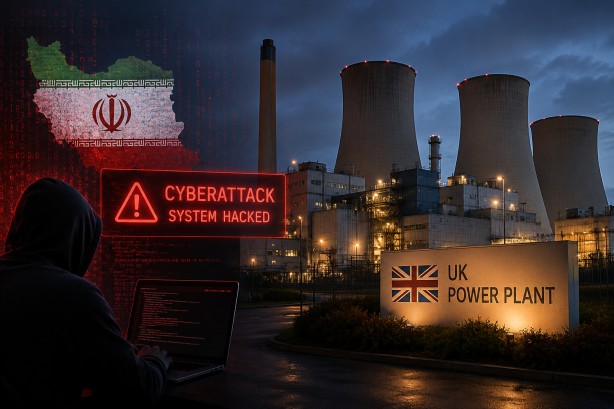
A cyberattack attributed to hackers associated with Iran has been held responsible for a disruption at a small power generator in the UK, an event that signals a possible intensification of cyber threats targeting the nation. The attack, which took place last month, resulted in the facility being offline for four days. Despite this, UK government officials have assured that the attack did not pose a risk to the broader electricity network or the national energy supply.
The Department for Energy Security and Net Zero clarified that the affected entity was a minor generator and stressed that the UK’s broader energy network remains robust and secure. According to the National Cyber Security Centre (NCSC), there have been no reports of outages impacting major regulated power stations. This incident underscores ongoing concerns about the safety of critical infrastructure from cyber threats linked to state actors.
This cyber incident occurs in the context of rising tensions between the UK and Iran. The UK has granted permission for the United States to carry out defensive actions against Iran from American-operated bases on British soil. In response, Iran has issued warnings that any bases used for attacks on its territory might be viewed as legitimate military targets. Such geopolitical dynamics add a layer of complexity to the cyber threat landscape.
Western security agencies have consistently issued warnings about the targeting of critical infrastructure by groups connected to Iran. The US has specifically accused the Iran-affiliated group known as CyberAv3ngers of breaching infrastructure systems across various sectors. The recent attack in the UK has intensified discussions around the vulnerability of crucial infrastructure to cyberattacks linked to hostile nations.
The incident has brought renewed attention to the cybersecurity challenges faced by countries like the UK, emphasizing the need for vigilance and enhanced protective measures to safeguard critical infrastructure. As the frequency and sophistication of such attacks continue to evolve, reinforcing the resilience of national energy systems remains a top priority for security agencies.