
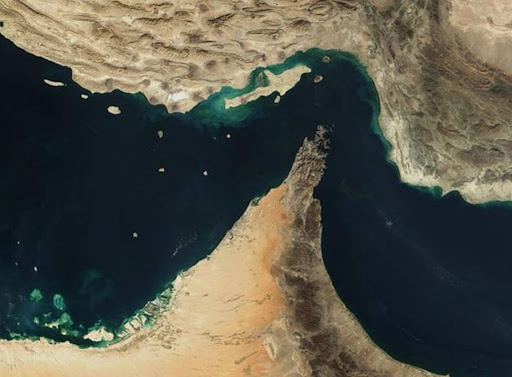
The global shipping industry has been placed in an impossible position by Iran’s war strategy in the Strait of Hormuz, forced to choose between catastrophic insurance costs and genuine physical danger on a route that normally carries one-fifth of the world’s oil exports. President Trump has called on the UK, France, China, Japan, South Korea, and all oil-importing nations to send warships to protect commercial shipping in the embattled waterway, but with no naval protection committed from any government, shipping companies are navigating the crisis without military support and facing an environment of unprecedented danger and financial risk.
Iran’s blockade of the strait began in late February as retaliation for US-Israeli airstrikes, generating the most severe oil supply disruption in history. Tehran has attacked sixteen tankers, declared vessels bound for American or allied ports to be legitimate military targets, and raised the prospect of deploying explosive mines. For shipping companies, these threats translate directly into astronomical insurance premiums for vessels attempting to transit the strait, making many voyages economically unviable even before the physical danger is factored in. The absence of any committed naval escort force leaves operators entirely exposed.
The international response to Trump’s warship appeal has not changed the operational reality facing shipping companies. France ruled out sending ships while fighting continued. The UK explored lower-risk drone options. Japan described a very high threshold for deployment. South Korea pledged careful deliberation. Germany questioned the EU’s Aspides mission’s effectiveness. No government committed warships. The US itself has not deployed naval escorts. For commercial operators, the diplomatic and political deliberations of governments are largely irrelevant to the immediate question of whether their vessels and crews can safely enter the strait.
The broader economic consequences of the shipping industry’s inability to safely transit the strait are rippling through global supply chains. Beyond oil, the Hormuz route carries a wide range of goods that support manufacturing and trade across Asia and beyond. The disruption to these flows compounds the already severe impact of the oil supply shortfall on global prices and economic activity. The longer the strait remains effectively closed to commercial shipping, the deeper and more widespread the economic damage becomes — reaching well beyond energy markets into the broader global trading system.
China’s diplomatic engagement with Tehran remains the most significant non-military effort to address the crisis from a shipping perspective. If Beijing can negotiate even partial access for oil tankers, it would begin to ease both the supply disruption and the impossible position in which the shipping industry currently finds itself. The Chinese embassy confirmed China’s commitment to constructive regional engagement. US Energy Secretary Chris Wright expressed hope that China would prove a constructive partner in restoring access to the world’s most critical oil shipping corridor, noting that active dialogue with multiple nations about the crisis was actively ongoing.