
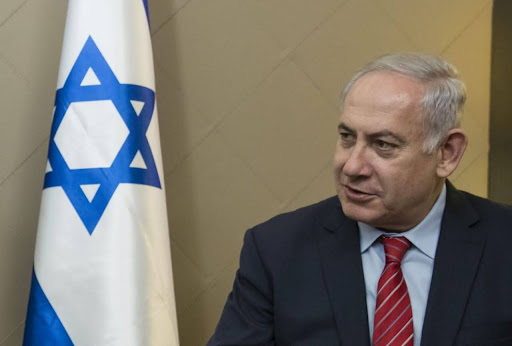
Israeli Prime Minister Benjamin Netanyahu was uncompromising on Friday, declaring that Iran’s threats to close the Strait of Hormuz amounted to blackmail against the world and would not succeed, while also announcing that Tehran had been stripped of its nuclear enrichment and ballistic missile capabilities after twenty days of conflict. He denied Israeli responsibility for US involvement in the war. Netanyahu projected strategic confidence throughout the briefing, suggesting the conflict’s conclusion was closer than most people understood.
The prime minister spoke about his partnership with Trump in strong terms. He described their coordination as historically unparalleled and framed Trump as the alliance’s leader and driving force. Netanyahu disclosed that Trump had brought his own independent and sophisticated analysis of Iran’s nuclear threat to their discussions, reflecting the depth and mutual respect that characterized the partnership.
Netanyahu confirmed Israel struck the South Pars gas complex alone and disclosed Trump’s request to hold off on further strikes on Iranian gas infrastructure. He presented both the military action and the diplomatic communication transparently, framing them as natural features of a close and functioning alliance. Netanyahu was firm that Israel’s operational autonomy remained uncompromised.
On the Hormuz question, Netanyahu proposed overland pipeline corridors from the Arabian Peninsula to Israeli and Mediterranean ports as a structural solution to maritime dependency. He argued this infrastructure would permanently neutralize the Hormuz chokepoint and insulate the region from Iranian geopolitical pressure. Netanyahu linked this proposal to a broader post-conflict vision for regional energy development.
Netanyahu concluded with an analysis of Iran’s leadership vacuum. He said Mojtaba had not appeared publicly during the conflict and admitted genuine uncertainty about who was governing the country. Netanyahu pointed to fierce competition for power among Tehran’s ruling factions and concluded that this political chaos, combined with military losses, was pushing the war toward an accelerated conclusion.