
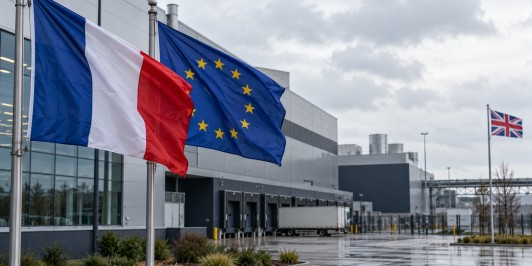
The European Union’s proposed “Made in Europe” rules are at the center of a debate as France pushes for these regulations to primarily benefit EU-based companies, potentially excluding firms from the United Kingdom. The rules, part of the Industrial Accelerator Act, aim to boost demand for European-made, low-carbon products through public contracts and government incentives, covering industries such as steel, cement, aluminum, electric vehicles, and other net-zero technologies.
France is advocating for a narrow definition that limits eligibility to the EU’s 27 member states. This stance could restrict British companies from accessing lucrative public contracts and support schemes. The UK, no longer part of the EU single market, is lobbying to be recognized as a trusted partner, which would allow its firms to participate in these opportunities.
In contrast, Germany and several Nordic countries favor a broader interpretation that might include trusted non-EU partners, indicating a willingness to maintain strong economic ties with the UK despite Brexit. The negotiations over the final terms of the Industrial Accelerator Act are still ongoing and require approval from both the European Parliament and the EU Council before being enacted.
The outcome of these discussions will significantly impact the ability of British companies to compete in strategic EU industries under the new framework. As the EU seeks to strengthen its industrial base and reduce carbon emissions, the decision on whether to include non-EU partners like the UK remains a pivotal point of contention.