
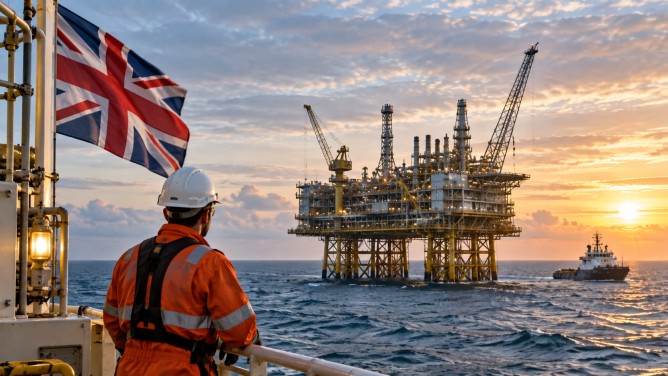
The North Sea oil and gas sector is at a pivotal crossroads, as the industry faces ongoing discussions about the future of taxation in the UK. Offshore Energies UK (OEUK), the industry’s trade body, is advocating for the UK government to revise its current windfall tax policy on fossil fuel companies, calling for the tax to end in 2027 instead of 2030. This proposal aims to invigorate investment in the sector, which has been grappling with fluctuating energy prices and regulatory pressures.
The Energy Profits Levy, implemented in 2022 following significant profit surges among oil and gas companies due to the global energy crisis triggered by Russia’s invasion of Ukraine, is under scrutiny. OEUK has suggested replacing this levy with a more targeted tax system. The proposed framework would impose a 35% levy on revenues only when oil and gas prices exceed a predetermined threshold, thereby providing a more dynamic response to market conditions.
David Whitehouse, the chief executive of OEUK, emphasized that the new system would maintain higher taxation levels during periods of elevated prices while simultaneously encouraging investment. According to OEUK estimates, an earlier end to the current tax scheme could channel up to £50 billion in new investment into the North Sea, potentially bolstering industrial job growth and generating an additional £14.9 billion in tax revenue over the next decade.
In addition to tax reforms, OEUK is pushing for the approval of the Rosebank and Jackdaw oil and gas projects. The organization argues that increasing domestic production is crucial for reducing the UK’s dependency on imported natural gas, a strategic shift in light of ongoing global supply uncertainties.
However, the proposal faces opposition from environmental groups and campaign organizations, which have voiced concerns about any reduction in the windfall tax. Greenpeace has called for oil and gas companies to contribute more towards alleviating the financial burden on households struggling with high living costs and energy prices. The debate underscores the complex challenges of balancing economic growth with environmental and social responsibilities in the energy sector.