
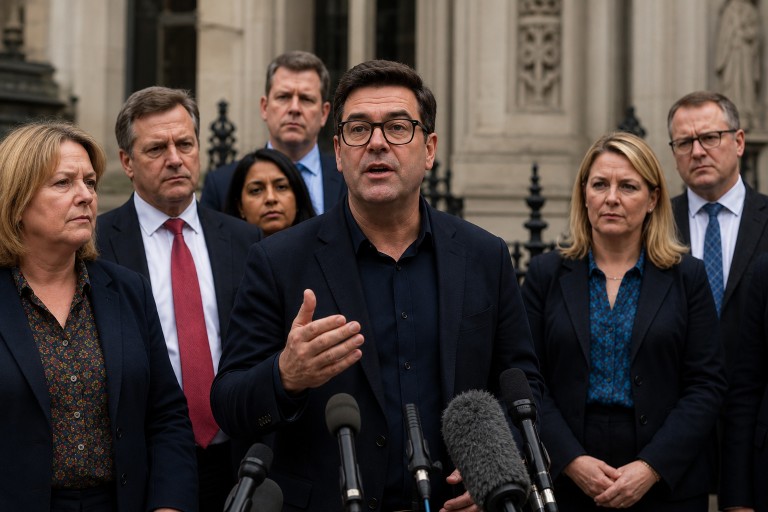
A group of Labour Members of Parliament is urging Andy Burnham to revive the United Kingdom’s commitment to allocating 0.7% of its national income to overseas aid. This target, they contend, should remain a cornerstone of the country’s foreign policy strategy. Initially implemented during Gordon Brown’s tenure, this benchmark was rolled back in 2020. The MPs are advocating for a methodical plan to reinstate the target over time, emphasizing the role of consistent development funding in mitigating global instability and reinforcing the UK’s stature on the international stage.
The MPs have laid out their vision in an upcoming policy paper, which outlines a pathway to gradually return to the 0.7% aid spending target. They argue that sustained investment in international development not only addresses pressing global challenges but also solidifies the UK’s leadership in the world arena. By committing to this target, the UK can play a vital role in fostering global stability and prosperity.
Furthermore, the policy paper suggests leveraging the UK’s forthcoming presidency of the G20 as an opportunity to champion a range of global initiatives. Among these proposals are the introduction of a global wealth tax, the expansion of development financing, and the implementation of international vaccination campaigns targeting children in vulnerable and conflict-affected regions. These initiatives are designed to bolster international cooperation and address pressing humanitarian needs.
Proponents of these measures argue that they would not only enhance Britain’s influence on the global stage but also promote a spirit of humanitarian and economic collaboration. By taking a proactive approach to international development, the UK can reaffirm its commitment to global welfare and demonstrate leadership in addressing some of the world’s most pressing challenges.