
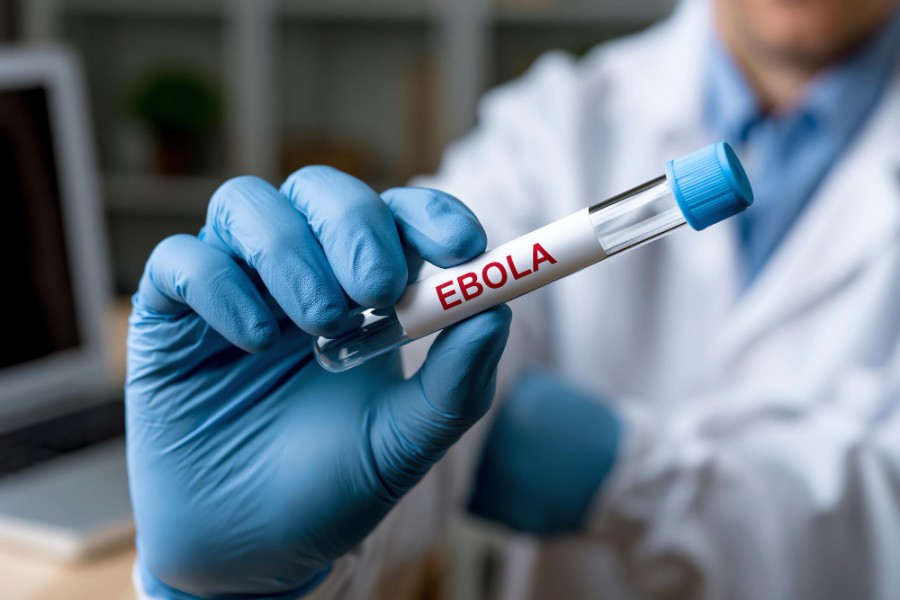
A French doctor, who recently returned from a humanitarian mission in the Democratic Republic of the Congo, has been diagnosed with Ebola, marking the first confirmed case in France. Upon arrival, the patient was immediately transported to a specialized medical facility where they are currently in stable condition and under isolation. French health officials have emphasized that the transport and isolation were conducted with strict safety protocols to prevent any potential transmission of the virus.
Efforts are underway to trace individuals who may have had contact with the infected doctor. Those identified are required to monitor their health closely and self-isolate for a period of 21 days as a precautionary measure. Authorities reassure that the risk to the general public in Europe remains minimal, while international health organizations continue to provide assistance in managing the situation.
The Ebola outbreak in question is currently affecting the Ituri Province of the Democratic Republic of the Congo, where health teams are actively working to curb the spread of the virus. The province has reported hundreds of cases and deaths, and neighboring regions are on alert for any potential cross-border transmission. Experts caution that the actual extent of the outbreak could be larger than reported figures suggest, due to obstacles such as ongoing conflict in the area, limited access to healthcare, and challenges in implementing response strategies.
This particular outbreak involves the Bundibugyo virus strain, which is a rare variant of Ebola for which there is no approved vaccine or specific treatment available at present. Ebola virus spreads through direct contact with the bodily fluids of infected individuals, with common symptoms including fever, weakness, muscle pain, vomiting, and diarrhea. Health authorities continue to stress the importance of adhering to preventive measures to contain the virus effectively.