
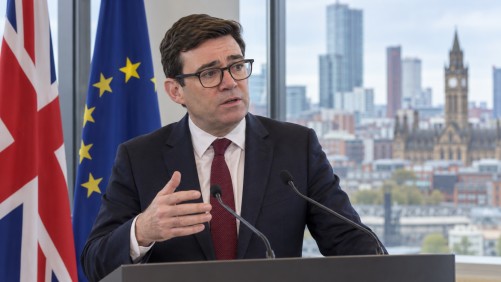
As the UK grapples with the economic repercussions of Brexit, Prime Minister Andy Burnham is set to advocate for a reassessment of the country’s relationship with the European Union. In an upcoming statement to the House of Commons, Burnham will emphasize the importance of pursuing stronger ties with the EU, warning that neglecting to secure a better agreement with the bloc would represent a significant oversight in maintaining economic stability.
Burnham’s call comes in anticipation of the upcoming UK-EU summit, where he is expected to argue that enhanced cooperation with Europe could bolster economic growth, streamline trade processes, and address issues related to illegal immigration. The Prime Minister intends to highlight the challenges businesses face due to post-Brexit trade barriers, such as increased paperwork and costs at borders, which supporters of closer EU ties believe could be alleviated by reducing these obstacles.
The government’s current agenda includes efforts to mitigate trade disruptions, particularly in the food and agriculture sectors, and to improve migration policies with the EU. This debate unfolds as a petition calling for the UK to rejoin the EU, signed by over 111,000 people, has prompted a parliamentary debate, further fueling discussions about the nation’s European future.
Burnham’s stance has sparked renewed political debate over Brexit, with senior Conservative leaders resisting Labour’s push for stronger EU connections. Within the Labour Party, opinions are divided, as some MPs fear reopening discussions on Brexit could exacerbate existing political rifts, particularly in constituencies that favored leaving the EU. Despite these concerns, Burnham is focused on promoting practical measures to enhance cooperation without revisiting the referendum itself.
During Labour’s recent conference in Liverpool, Burnham criticized the negative impacts of Brexit and urged the government to reconsider the UK’s long-term relationship with Europe. His forthcoming intervention aims to outline actionable steps to foster collaboration with the EU, potentially influencing future negotiations with Brussels as Britain evaluates the economic advantages of closer ties against domestic political considerations.