
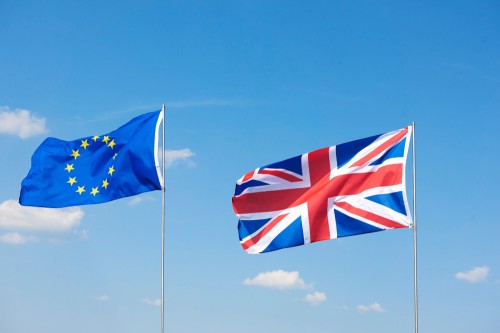
In a bid to enhance economic relations with the European Union and stimulate growth following Brexit, the UK government has considered the establishment of a single market for goods with the EU. High-ranking UK officials recently took this proposal to Brussels during discussions that focused on expanding economic ties. However, the idea did not gain much traction among European authorities, who instead proposed alternatives like entering a customs union or joining the European Economic Area (EEA).
The UK remains firm in its stance against re-entering the EU single market or customs union, and it strongly opposes the acceptance of free movement of people, making these alternatives politically challenging. Despite these hurdles, both parties are gearing up for a UK-EU summit anticipated in July. The agenda for the summit is expected to include negotiations on practical agreements, such as a veterinary and food standards accord to facilitate trade in agricultural goods, linking carbon emissions trading systems, and a youth mobility program to enhance study and work opportunities.
Alongside these efforts, the UK is aiming to promote collaboration in various sectors, including defense, steel, electric vehicles, and technology. British leaders are optimistic that improved trade frameworks could drive long-term economic growth and fortify industrial collaboration across Europe. Nonetheless, EU officials are wary of granting the UK special access to the single market, concerned that doing so might embolden Eurosceptic sentiments in other member states.
As negotiations continue in preparation for the upcoming summit, both the EU and the UK are navigating the complexities of post-Brexit relations. The outcome of these discussions could significantly impact the nature of their future economic cooperation. While the path to a mutually agreeable solution remains fraught with challenges, the ongoing dialogue highlights the importance of maintaining strong ties between the UK and the EU in the years ahead.