
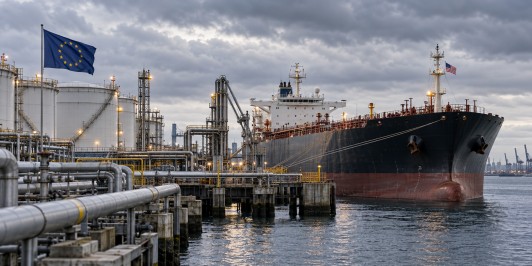
The European Union has voiced concerns over potential disruptions to fuel markets following reports that U.S. President Donald Trump might impose a 90-day ban on diesel exports. This proposed measure aims to alleviate record-high pump prices in the United States by boosting domestic fuel availability. However, European officials and energy market analysts warn that such a move could have significant global repercussions, particularly for regions like Europe that heavily rely on U.S. diesel imports.
Europe’s dependency on U.S. diesel has grown as fuel supplies from the Middle East and Russia have dwindled due to disruptions in refining capabilities. This year, U.S. shipments have constituted a substantial portion of Europe’s diesel imports, making any export restrictions potentially impactful. The European Commission has emphasized the need for dialogue between trading partners before implementing measures with international implications, stressing that disruptions could adversely affect markets on both sides of the Atlantic.
While Europe is not immediately facing a diesel shortage thanks to its domestic refineries and strategic fuel reserves, the loss of U.S. supplies could force European buyers to seek alternative sources more aggressively. This could lead to increased competition for diesel from regions like the Middle East and India. The United Kingdom, in particular, may experience increased pressure due to its reliance on imported refined fuel and limited domestic refining capacity, potentially raising costs in sectors such as agriculture, logistics, and road transport.
Diesel prices in Europe have already surged amid disruptions in the Gulf region and Russia, and a U.S. export ban could further tighten the global market. Reduced U.S. exports would likely intensify competition for available supplies, leading to higher prices internationally. While the intent behind the proposed U.S. measure is to enhance fuel availability for American consumers, its ripple effects could place additional strain on European and other international diesel markets.