
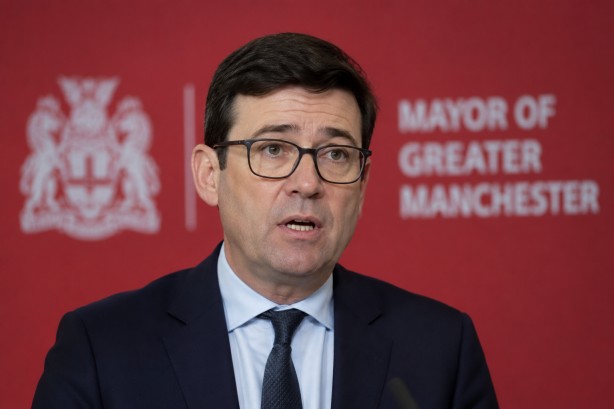
British Prime Minister Andy Burnham is charting a course towards enhanced collaboration with the European Union, integrating this aim into his domestic economic strategy. Despite this direction, Burnham has firmly ruled out the possibility of rejoining the EU or reigniting the contentious Brexit debate.
European leaders have greeted Burnham’s leadership with optimism. Figures such as Ursula von der Leyen, President of the European Commission, French President Emmanuel Macron, and German Chancellor Friedrich Merz, have shown enthusiasm for potentially stronger ties between the UK and the EU under Burnham’s guidance.
Recognizing the economic setbacks inflicted by Brexit, Burnham is determined to focus his administration on fostering unity within the UK, steering clear of reopening divisive discussions regarding EU membership. His government is prioritizing initiatives aimed at bolstering domestic manufacturing, regional development, and advancements in artificial intelligence. Additionally, they are keen on enhancing energy security and investing in digital infrastructure. Analysts note that these goals mirror the European Union’s strategic emphasis on industrial resilience, technological advancement, and the security of supply chains.
In the short term, it is anticipated that the UK and EU will finalize several agreements, including streamlined trade procedures for food products, a linkage of carbon emissions trading systems, and a youth mobility scheme targeting individuals aged 18 to 30. These agreements are poised to facilitate smoother interactions and exchanges between the two entities.
Experts suggest that Burnham’s focus on economic growth and regional investment could open avenues for practical cooperation with the EU. This collaboration might manifest through joint industrial undertakings, technology partnerships, and initiatives to secure supply chains, all achievable without significant alterations to the UK’s post-Brexit relationship with the EU.