
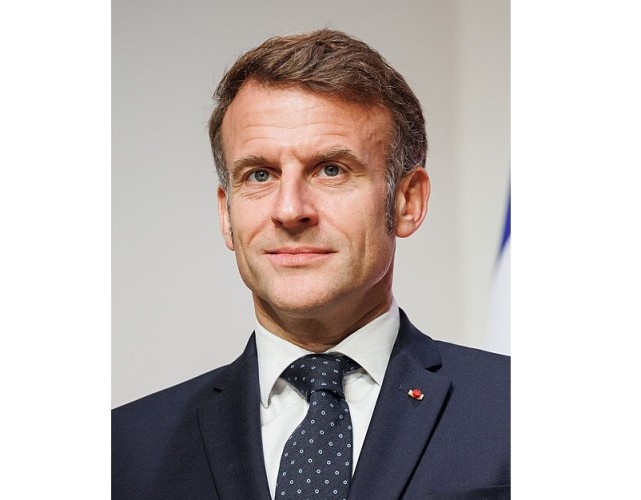
As leaders from major global economies gather in Évian-les-Bains, French President Emmanuel Macron has carefully crafted the agenda of the G7 summit to ensure active participation from U.S. President Donald Trump. The three-day event aims to address pressing international issues, including the ongoing conflicts in Ukraine, Gaza, and Iran, amid a backdrop of rising geopolitical tensions and economic uncertainties. A prominent topic will be the implementation of the U.S.-Iran peace agreement, with discussions focusing on reopening the Strait of Hormuz to secure international shipping through this critical energy corridor.
The summit comes at a time when the economic impact of Middle Eastern conflicts has become a global concern. The disruptions to global trade have resulted in increased shipping costs and inflation fears worldwide. This has prompted international institutions to lower their forecasts for global growth while sounding alarms over the rising costs of food, energy, and borrowing, especially affecting developing nations. The economic ramifications of these conflicts are high on the agenda for the assembled world leaders.
Ukrainian President Volodymyr Zelenskyy is expected to be in attendance, with discussions likely to revolve around sustaining support for Ukraine and exploring diplomatic avenues to end the ongoing war. European leaders are anticipated to advocate for a more substantial role in future peace negotiations. Additionally, the humanitarian crisis in Gaza is set to be a significant topic of discussion, with the aim of making progress on ceasefire initiatives and achieving broader regional stability. Meetings involving Middle Eastern leaders will address both the conflict in Gaza and the broader implications of the Iran agreement.
Beyond security-focused discussions, the G7 summit will tackle various economic challenges, including reinforcing supply chain resilience, managing critical minerals, advancing artificial intelligence, and promoting international development. Concerns over global trade imbalances and the rapid expansion of Chinese exports are also expected to be key points of discussion. Macron is striving to foster consensus among the member nations while avoiding contentious debates that could detract from the summit’s objectives. Rather than producing a comprehensive joint declaration, the outcomes of the summit will likely be presented through separate summaries highlighting areas of agreement.
This gathering is seen as a crucial test of international cooperation in a period characterized by geopolitical uncertainties, economic pressures, and evolving global alliances. The ability of world leaders to navigate these challenges and reach agreements could significantly shape the international landscape moving forward.