
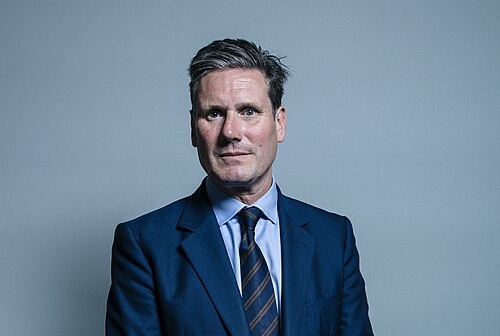
Keir Starmer, the British Prime Minister, has declared his intention to resign as the leader of the Labour Party and step down from his role as prime minister after a successor is appointed. His decision marks the end of a leadership period that began with Labour’s overwhelming victory in the July 2024 elections. Until the transition is complete, Starmer plans to serve as a caretaker prime minister. This announcement comes amid growing pressure from within his party and a noticeable decline in public support for his government.
The move follows the recent electoral success of Andy Burnham, who has expressed a desire to challenge Starmer for the Labour leadership. Burnham’s ascent has amplified calls for leadership changes as the party endeavors to address its waning approval ratings. Outside 10 Downing Street, Starmer addressed the concerns of his party colleagues regarding his capacity to guide Labour through the next general election, accepting their judgment with “good grace.”
Starmer has been commended for his management of international matters, such as his support for Ukraine and his diplomatic efforts during tensions in the Middle East. However, he has faced criticism over economic issues, the rising cost of living, and setbacks in domestic policy. These challenges have contributed to the internal and public pressure leading to his decision to step down.
The Labour Party is now preparing to initiate the process of selecting a new leader. Andy Burnham has emerged as a prominent contender in this leadership race. Alongside him, former Health Secretary Wes Streeting has also suggested that he might join the race if a leadership contest ensues. The party’s focus will now be on choosing a leader who can rejuvenate its standing and guide it into the future.