
In a dramatic turn of events for the UK’s financial markets, long-term borrowing costs reached their highest point in nearly 30 years due to concerns over a possible shift in Labour Party leadership. This spike in yields occurred on Tuesday morning, when the interest rate on 30-year government bonds surged by 11 basis points, hitting 5.794%. This marked the highest level since May 1998, driven by investor anxiety over potential alterations to Labour’s fiscal policies.
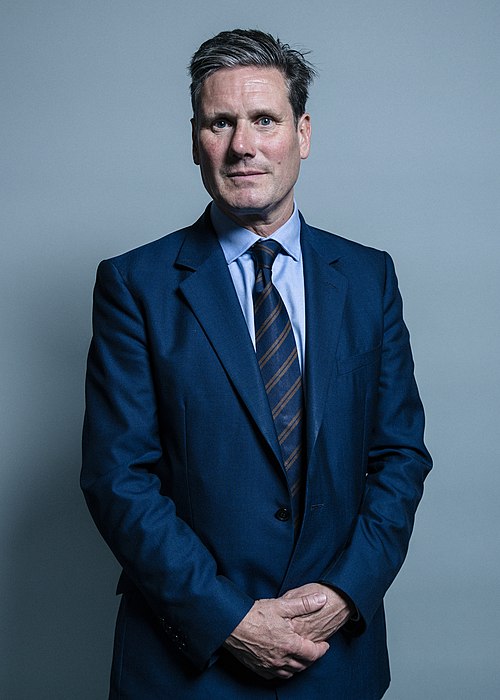
The market volatility settled somewhat as key cabinet members rallied in support of Keir Starmer, the Labour leader. Despite the turbulence, Starmer assured his cabinet that he had no intention of resigning, noting that the formal process for a leadership challenge had not been initiated. His assurances came shortly after Miatta Fahnbulleh, a minister, resigned, urging Starmer to step down following Labour’s poor performance in recent local and devolved elections.
Starmer emphasized the importance of the Labour Party adhering to its established procedures for leadership challenges, which had not yet been set in motion. “The country expects us to get on with governing,” he asserted, underscoring his commitment to maintaining stability and focusing on governance. This message resonated with several influential cabinet ministers, including Peter Kyle, the business secretary, Liz Kendall, the technology secretary, and Steve Reed, the housing secretary, who collectively voiced their support for Starmer.
The backing from Starmer’s allies seemed to ease the tensions in the financial markets. As a result, the yield on the benchmark 10-year UK government bonds fell back below 5.1%, having previously reached 5.13% earlier in the day. Similarly, the 30-year yield receded to 5.76% after peaking at a new 28-year high of 5.81%. The situation highlighted the sensitivity of the financial markets to political stability and leadership dynamics within the UK’s major political parties.