
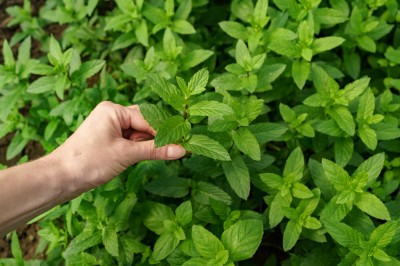
It’s a common disappointment for many when a basil plant purchased from the supermarket starts to wither shortly after finding a new home on the kitchen windowsill. Surprisingly, the decline of these vibrant herbs often isn’t due to neglectful care, but rather issues that arise long before they leave the store.
The lush, appealing basil plants typically sold in stores are not singular plants but rather a dense cluster of numerous young seedlings crammed into one pot. This overcrowding might make for an attractive purchase, but it also sets the stage for trouble as the seedlings vie aggressively for essential resources like water, sunlight, and nutrients, ultimately weakening the collective plant.
To combat this, a practical approach involves dividing and replanting the basil. Start by gently extracting the plant from its container and carefully teasing apart the root system into several sections, ideally three or four, while preserving as many roots as possible. Each section should then be transplanted into its own pot with fresh compost, watered generously, and placed in a warm, well-lit area.
Consistently pruning the tops of the basil can promote fuller growth and delay premature flowering. With the additional space to flourish, the separated basil plants are more likely to remain robust and continue producing leaves. An experiment with a single pot of supermarket basil demonstrated the effectiveness of this method: after dividing it into four parts, three of them thrived and yielded fresh leaves throughout the subsequent month.
By simply providing supermarket basil with more room to grow, what starts as a fleeting culinary addition can transform into a long-lasting source of fresh herbs for cooking and gardening enthusiasts alike.