
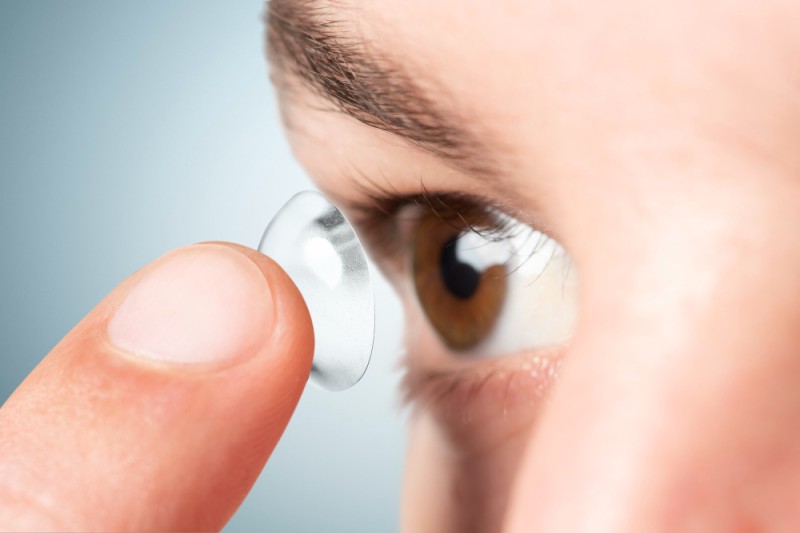
Contact lens wearers might find it tempting to nod off with their lenses still in place, but eye health specialists caution against this habit. Even short naps with contact lenses can considerably heighten the risk of severe eye infections and potential long-term vision impairment. The cornea, which is the transparent front part of the eye, requires a steady supply of oxygen from the air to maintain its health. Throughout the day, contact lenses naturally restrict the amount of oxygen reaching the cornea, and wearing them during sleep exacerbates this issue, further limiting oxygen access. This condition weakens the eye’s protective barrier, making it more susceptible to bacterial infections.
A particularly severe outcome associated with sleeping in contact lenses is microbial keratitis, an infection that affects the cornea. If not promptly treated, this infection can progress to a painful corneal ulcer, potentially resulting in permanent scarring and enduring vision loss. Eye experts stress that even infrequent dozing with contact lenses can elevate this risk.
The good news is that such complications can largely be avoided with proper lens care. Eye care professionals advise removing contact lenses before any sleeping or napping period, practicing good lens hygiene, and adhering to the replacement schedule provided by an eye care specialist. These steps are crucial in maintaining eye health and preventing unnecessary complications.
Those who experience symptoms such as redness, pain, sensitivity to light, blurred vision, or sudden changes in eyesight should seek medical attention immediately. Early treatment is crucial in preventing serious damage and safeguarding long-term vision. When used as directed, contact lenses are generally safe, but wearing them overnight unnecessarily increases the risk of preventable eye issues.