
As the conflict between Russia and Ukraine persists, the question of how much financial aid France can continue to provide to Ukraine has entered the country’s political discourse. France has been actively supporting Ukraine with military training and equipment, yet there are growing concerns over the sustainability of its financial support amidst domestic fiscal challenges.
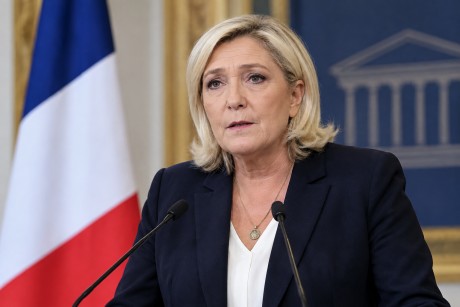
Marine Le Pen, co-leader of France’s National Rally party, recently voiced concerns over the current level of financial assistance to Ukraine. On September 16, she suggested that France should scale back its financial contributions due to the country’s internal budgetary constraints. While advocating for continued military cooperation, Le Pen emphasized the need for a reevaluation of financial priorities.
Le Pen’s remarks are not intended as an affront to Ukraine; rather, she has called for diplomatic efforts to address and resolve the ongoing conflict. Her stance reflects a broader conversation in France regarding public spending and foreign policy, particularly as the nation looks ahead to the 2027 presidential election where these issues are expected to be pivotal.
Within the National Rally, there is a consensus on maintaining military support measures for Ukraine, but a growing number of party members are advocating for curbed financial assistance. This internal party debate mirrors the national dialogue on how to balance international commitments with domestic economic pressures.
As France navigates its role in international affairs amid economic constraints, Le Pen’s comments underline the complexity and urgency of reassessing how resources are allocated. The issue of financial aid to Ukraine is poised to remain a significant topic in the political landscape as France prepares for upcoming electoral challenges.